Hair rarely behaves exactly the same way throughout the year.
The texture that feels manageable in winter can suddenly become heavier during summer. Volume that holds perfectly in cooler months may collapse completely once humidity rises. Even scalp condition often changes quietly between seasons without many people fully recognising why.
Yet despite how dramatically weather and environment affect hair, seasonal hair behaviour is still often underestimated within everyday beauty routines.
Increasingly, however, salons and stylists are paying far closer attention to how external conditions influence not only styling, but also overall hair health.
And in cities like London — where weather can shift dramatically within a single week — that conversation has become especially relevant.
Why weather changes hair behaviour
Hair responds constantly to its environment.
Humidity, temperature, wind exposure, indoor heating and pollution all influence:
- texture
- moisture balance
- scalp condition
- styling longevity
- and movement
This is why hair can suddenly feel entirely different between seasons even when routines remain unchanged.
For example:
- colder weather often creates dryness and static
- humidity can increase expansion and softness
- strong sun exposure may affect colour and moisture retention
- and indoor heating frequently contributes to dehydration during winter months
Understanding these shifts has become increasingly important because modern styling trends rely so heavily on natural movement and texture.
Why modern beauty trends expose seasonal behaviour more clearly
Heavily structured styling once masked many environmental changes because strong hold products forced hair into place regardless of conditions.
Today’s softer styling trends behave differently.
Modern hair trends typically prioritise:
- movement
- touchable texture
- and flexibility
which means hair responds much more visibly to weather and seasonal shifts.
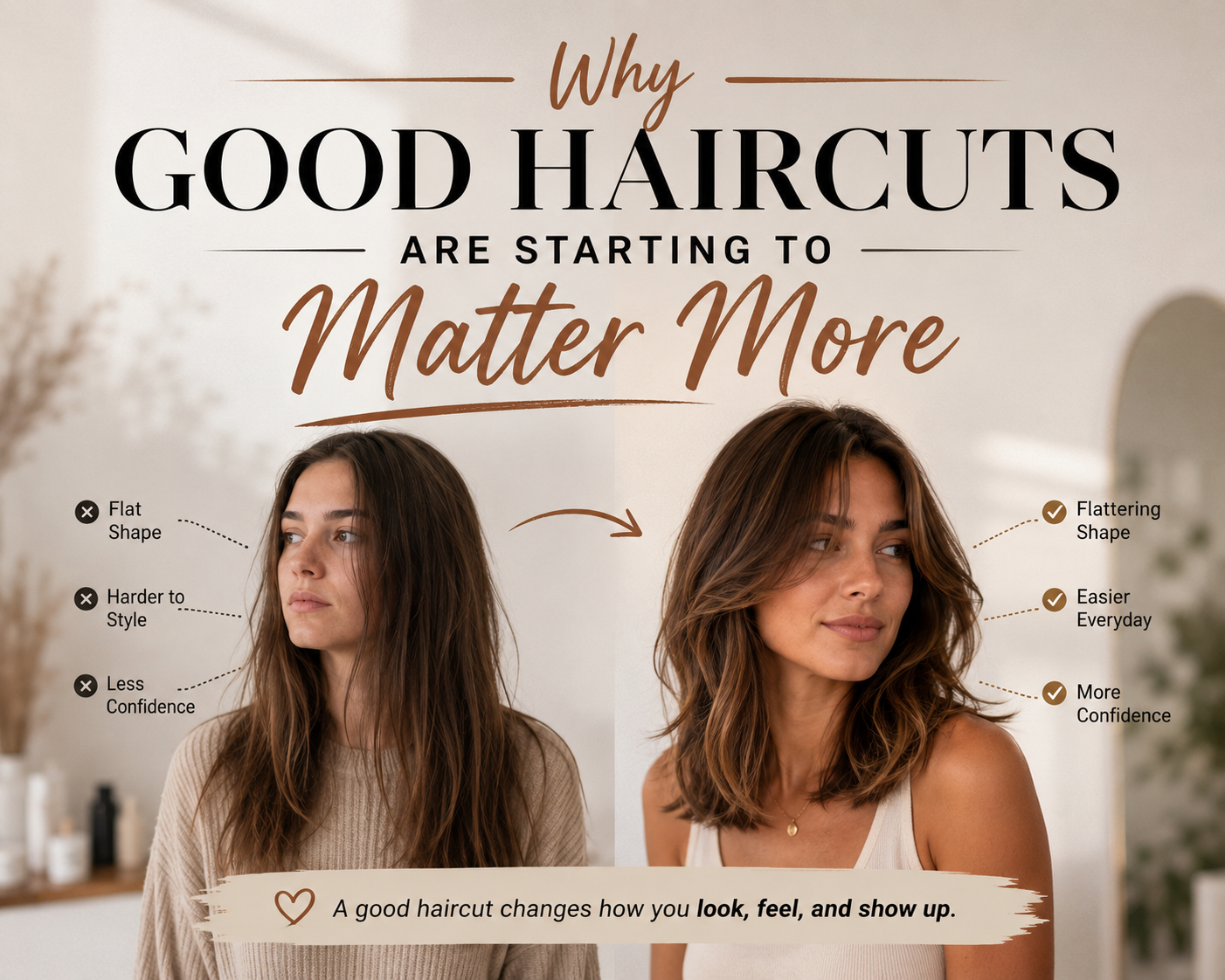
This is one reason consultations have become more personalised in recent years. Stylists increasingly consider not just haircut shape, but also:
- lifestyle
- climate exposure
- commute patterns
- and maintenance expectations
when recommending routines.
Why scalp condition changes seasonally too
Seasonal changes don’t only affect the visible hair itself.
Scalp behaviour often changes significantly throughout the year due to:
- humidity fluctuations
- dehydration
- environmental stress
- and product build-up
During colder months, many people experience increased dryness and irritation. Warmer conditions may lead to excess oil production or heaviness at the root.
These shifts often influence styling more than people realise.
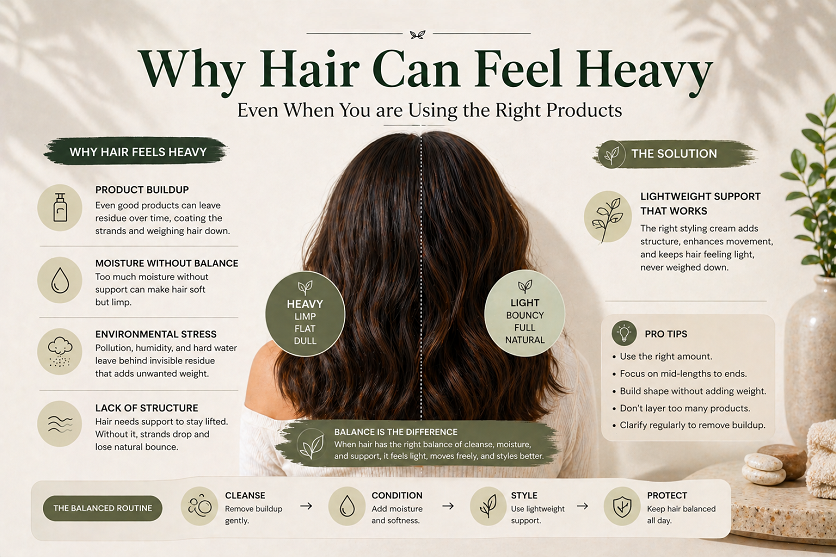
Hair that suddenly feels flatter, heavier or harder to manage may actually reflect scalp imbalance rather than the haircut itself.
Beauty coverage from Allure and Byrdie has increasingly explored how scalp health and environmental stress are becoming central conversations within modern haircare.
Source references:
https://www.allure.com/topic/hair
https://www.byrdie.com/hair-trends
Why lower-maintenance routines are growing
Another reason seasonal haircare has become more important is because people increasingly want routines that adapt naturally throughout the year.
Rather than relying on rigid styling systems, many salons now encourage more flexible approaches depending on:
- climate
- texture behaviour
- and seasonal condition changes
This often includes:
- adjusting product weight
- modifying washing frequency
- reducing heat exposure
- or changing styling methods slightly between seasons
That adaptability reflects a much wider movement happening across beauty generally, where personalisation has become more valuable than one-size-fits-all routines.
How city living affects hair differently
Urban environments add another layer to seasonal hair behaviour.
Pollution, hard water and daily commuting can all influence:
- moisture retention
- scalp comfort
- and styling longevity
particularly in larger cities.
Hair often behaves differently in London compared to coastal or rural environments because environmental exposure itself changes how texture responds over time.
This is one reason many stylists now view haircare far more holistically than before.
Rather than treating styling separately from environment and lifestyle, everything increasingly works together.
Why seasonal haircare reflects wider beauty changes
The growing focus on seasonal hair behaviour reflects a broader shift happening within beauty culture overall.
People increasingly want:
- realistic routines
- adaptable styling
- and healthier long-term hair condition
instead of chasing perfection under every condition.
That change has encouraged more thoughtful approaches to both salon consultations and at-home routines.
Publications such as Stylist and Elle have both explored how environmental stress and climate increasingly influence modern beauty routines.
Source references:
https://www.stylist.co.uk/beauty/hair
https://www.elle.com/beauty/hair/
Why this conversation is likely to grow
As beauty becomes more personalised, seasonal haircare will likely continue becoming more important.
Because ultimately, hair doesn’t exist separately from the environment around it.
It reacts constantly to:
- weather
- routine
- stress
- movement
- and daily life itself
And understanding that relationship may be one of the biggest reasons modern haircare now feels far more individual than trend-driven.