Fashion has always been driven by aspiration.
Runway collections, editorial photography, celebrity appearances, and social media trends all contribute to a continuous cycle of inspiration. New ideas emerge, gain momentum, and often influence the choices people make about clothing, beauty, and personal style.
Hair is no exception.
Every year brings new trends, fresh interpretations of classic looks, and innovative techniques that capture attention. Some trends become widely adopted, while others remain largely confined to fashion shoots and industry conversations.
Yet within professional hairdressing, there is an important distinction that is often overlooked.
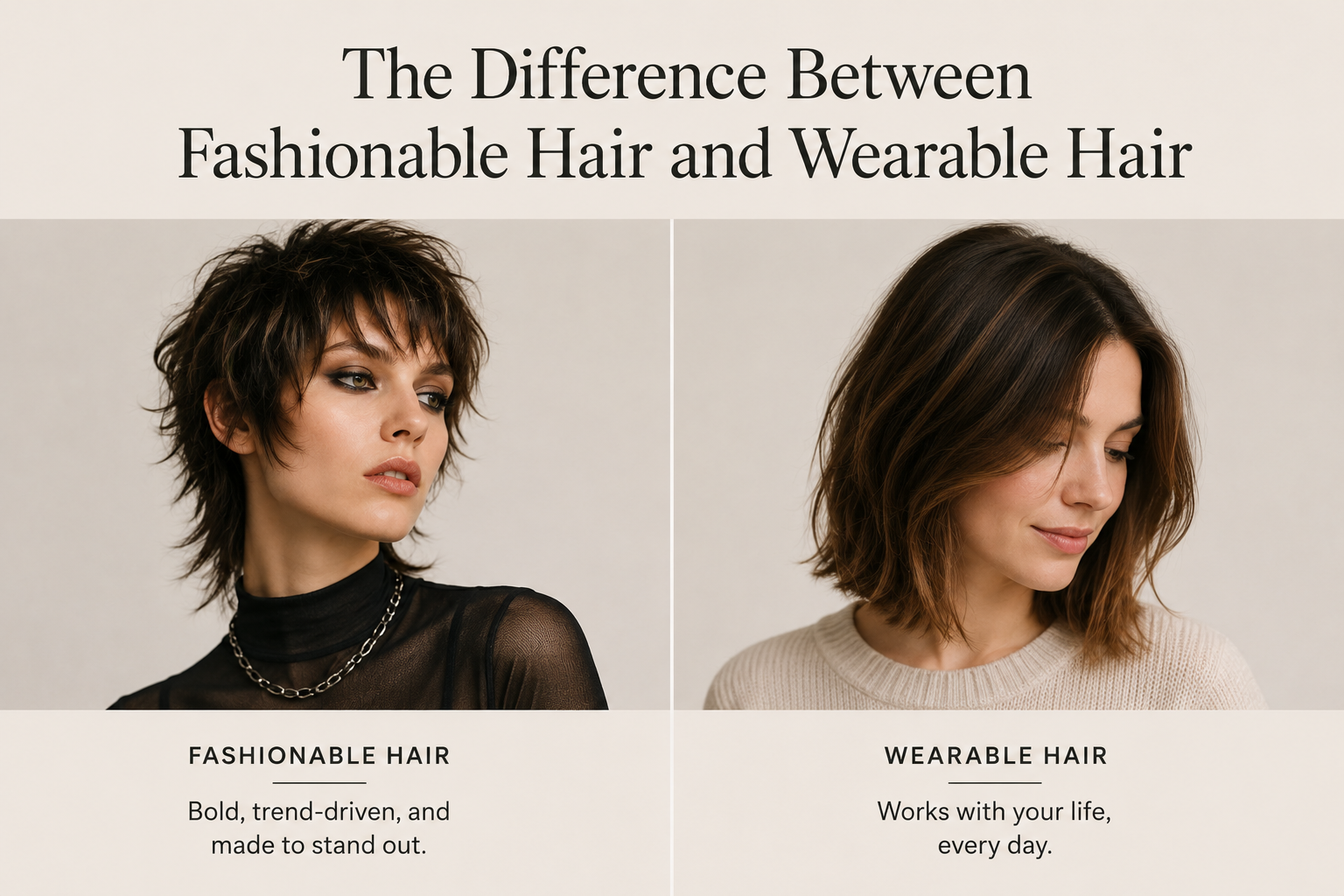
The difference between fashionable hair and wearable hair.
At first glance, the two may seem interchangeable. In reality, they often serve very different purposes.
The Appeal of Fashionable Hair
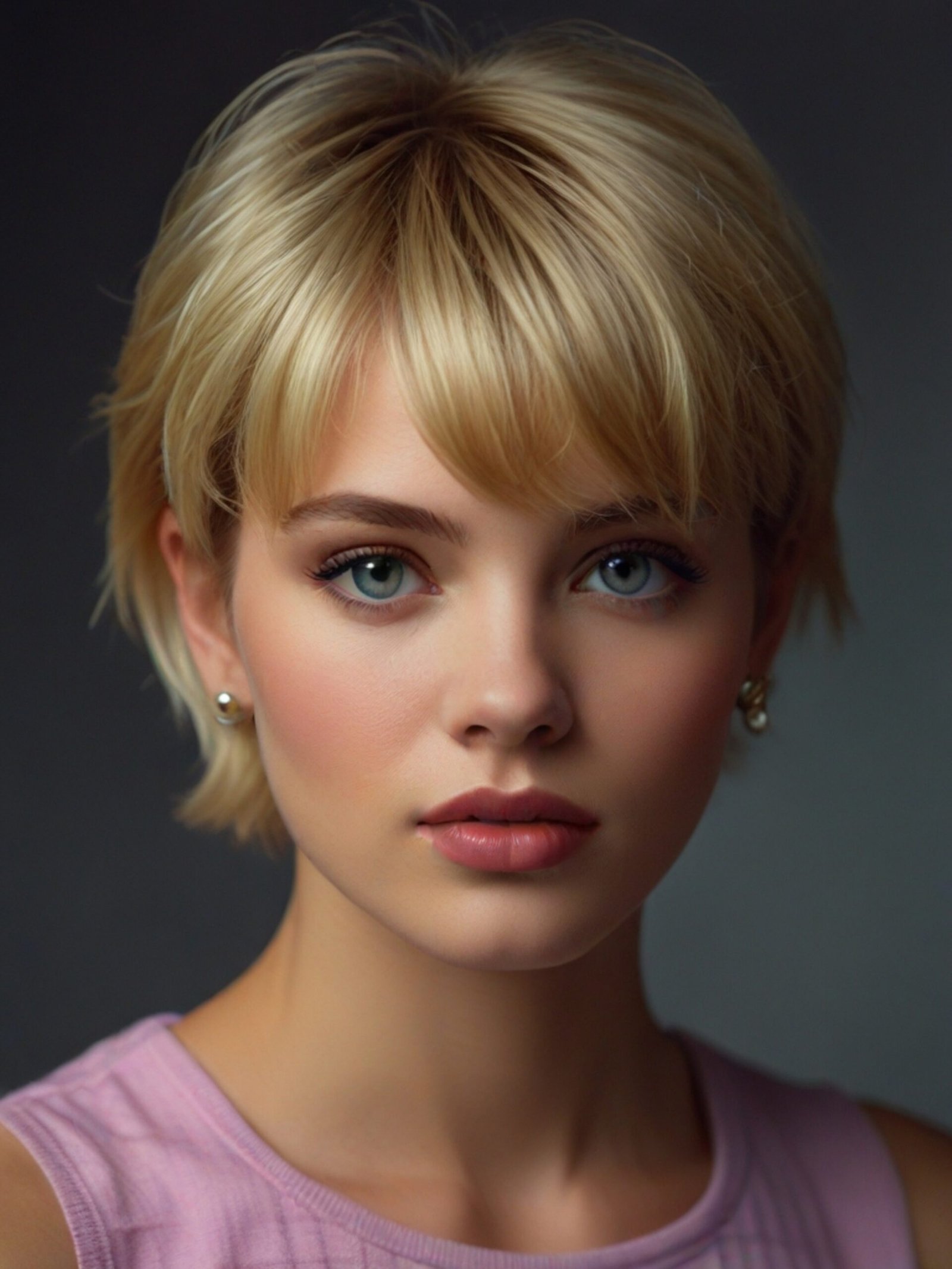
Fashionable hair attracts attention.
It introduces new ideas, challenges conventions, and often reflects the cultural mood of a particular moment in time.
Throughout history, hairstyles have served as visual markers of social change. Certain cuts, colours, and styling techniques have become synonymous with entire decades.
Fashionable hair thrives on visibility.
It is designed to inspire conversation.
To feel current.
To signal that something new is happening.
There is tremendous value in this.
Without fashion-driven experimentation, the industry would struggle to evolve. New techniques would emerge more slowly. Creativity would become restricted. Inspiration would diminish.
Fashionable hair pushes boundaries.
It encourages both stylists and clients to think differently.
However, being fashionable does not automatically mean being practical.
The Reality of Everyday Life
Most people do not spend their mornings preparing for a photoshoot.
They prepare for work.
For school runs.
For meetings.
For travel.
For daily routines that often leave limited time for complex styling.
This reality creates an interesting challenge.
A hairstyle may look extraordinary in a controlled environment with professional lighting, styling products, and expert finishing techniques. Yet the same style may prove difficult to maintain in everyday circumstances.
This is where wearable hair becomes important.
Wearable hair acknowledges reality.
It considers how hair behaves outside the salon.
How it grows.
How it moves.
How much effort someone is realistically willing to invest in maintaining it.
These considerations rarely appear in trend reports, yet they often determine long-term satisfaction.
Why Wearability Is Often Undervalued
In many creative industries, practicality can sometimes be mistaken for compromise.
Yet wearability is not the opposite of creativity.
In fact, creating a hairstyle that feels both beautiful and practical often requires significant skill.
The challenge is not simply producing a striking result.
The challenge is producing a result that continues to work long after the appointment ends.
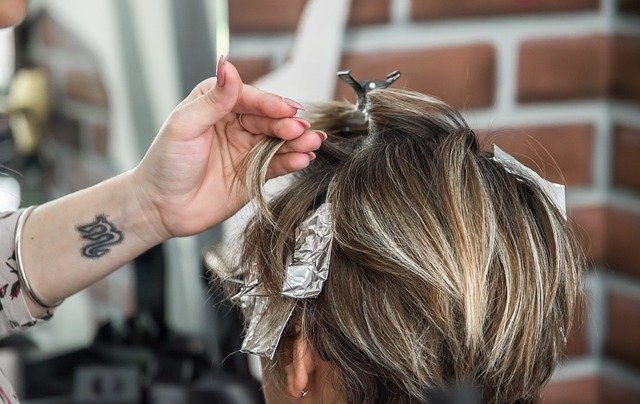
This requires understanding texture, density, growth patterns, maintenance expectations, and lifestyle considerations.
It requires anticipating how a haircut will behave weeks from now rather than focusing solely on how it looks today.
That level of foresight is one of the less visible aspects of professional hairdressing.
Clients may not always notice it immediately, but they certainly notice when it is absent.
The Influence of Personal Style
Another reason wearable hair has become increasingly important is the growing emphasis on individuality.
Modern style is less prescriptive than it once was.
People are no longer expected to follow a single trend or pursue a universally accepted ideal.
Instead, personal style has become more nuanced.
Individuals draw inspiration from multiple sources and interpret those influences through their own preferences.
Hair plays an important role within that process.
The most successful hairstyles often feel connected to the person wearing them.
They complement rather than compete.
They enhance rather than overwhelm.
This connection is difficult to achieve when a trend is followed without considering the individual.
Why Trends Work Best as Reference Points
One of the most effective ways to approach trends is to view them as references rather than instructions.
A trend can introduce a shape, texture, colour, or styling idea that resonates with someone.
That initial inspiration is valuable.
However, professional interpretation is often what transforms inspiration into something genuinely successful.
A stylist may soften certain elements.
Adjust proportions.
Modify colour placement.
Adapt styling techniques.
The resulting look may differ from the original reference, yet it often feels more appropriate and sustainable.
This process reflects the difference between copying a trend and understanding it.
The latter tends to produce far better outcomes.
The Quiet Confidence of Wearable Hair
There is another reason wearable hair deserves greater recognition.
It often creates a different kind of confidence.
Fashionable hair can generate excitement.
It attracts attention.
It creates immediate impact.
Wearable hair tends to operate more subtly.
It becomes part of everyday life.
It feels natural.
It supports rather than dominates.
For many people, this type of confidence proves more enduring.
The hairstyle becomes less about impressing others and more about feeling comfortable with oneself.
That distinction may explain why some of the most admired hair rarely appears dramatic.
Its success lies in how effortlessly it integrates into a person’s identity.
Why Experience Matters
Balancing fashion with wearability requires judgement.
There is no universal formula.
Every individual brings different priorities, expectations, and circumstances.
Some clients enjoy regular change and experimentation.
Others value consistency and low maintenance.
Understanding those differences is essential.
This is one reason experience remains such an important part of professional hairdressing.
Technical skill enables execution.
Experience informs decision-making.
Knowing which elements of a trend to embrace and which to leave behind often determines whether a hairstyle remains successful over time.
Looking Beyond What Is Popular
Popularity is not always the best measure of quality.
Some trends achieve widespread visibility because they photograph well.
Others succeed because they feel new or unexpected.
Neither quality guarantees that they will work for everyone.
The most successful hairstyles are often those that balance inspiration with practicality.
They acknowledge trends without becoming dependent upon them.
They remain relevant because they prioritise the individual rather than the moment.
This perspective is increasingly reflected in conversations surrounding personal style. Whether discussing fashion, interiors, or beauty, people appear more interested in longevity and authenticity than ever before. Hair is simply part of that broader cultural shift.
Fashionable hair will always have an important role within the industry.
It drives innovation.
It sparks creativity.
It encourages evolution.
But wearable hair is what most people live with every day.
And perhaps that is why it continues to matter so much.
The most memorable hairstyles are rarely those that followed fashion perfectly.
They are the ones that felt completely right for the person wearing them. Many established London best hair salons have built their reputation on creating hair that balances creativity with wearability, recognising that long-term satisfaction often matters more than short-term trends.