For years, the conversation around hair has been dominated by products. Serums, sprays, oils and creams have become central to modern routines, each promising smoother finishes, longer-lasting volume or better texture.
But quietly, something else has started happening in salons across the UK.
People are beginning to realise that no styling product can fully compensate for the wrong haircut.
No matter how expensive the routine or how carefully the styling is done, hair tends to behave very differently when the underlying shape isn’t working properly.
The return of structure and balance
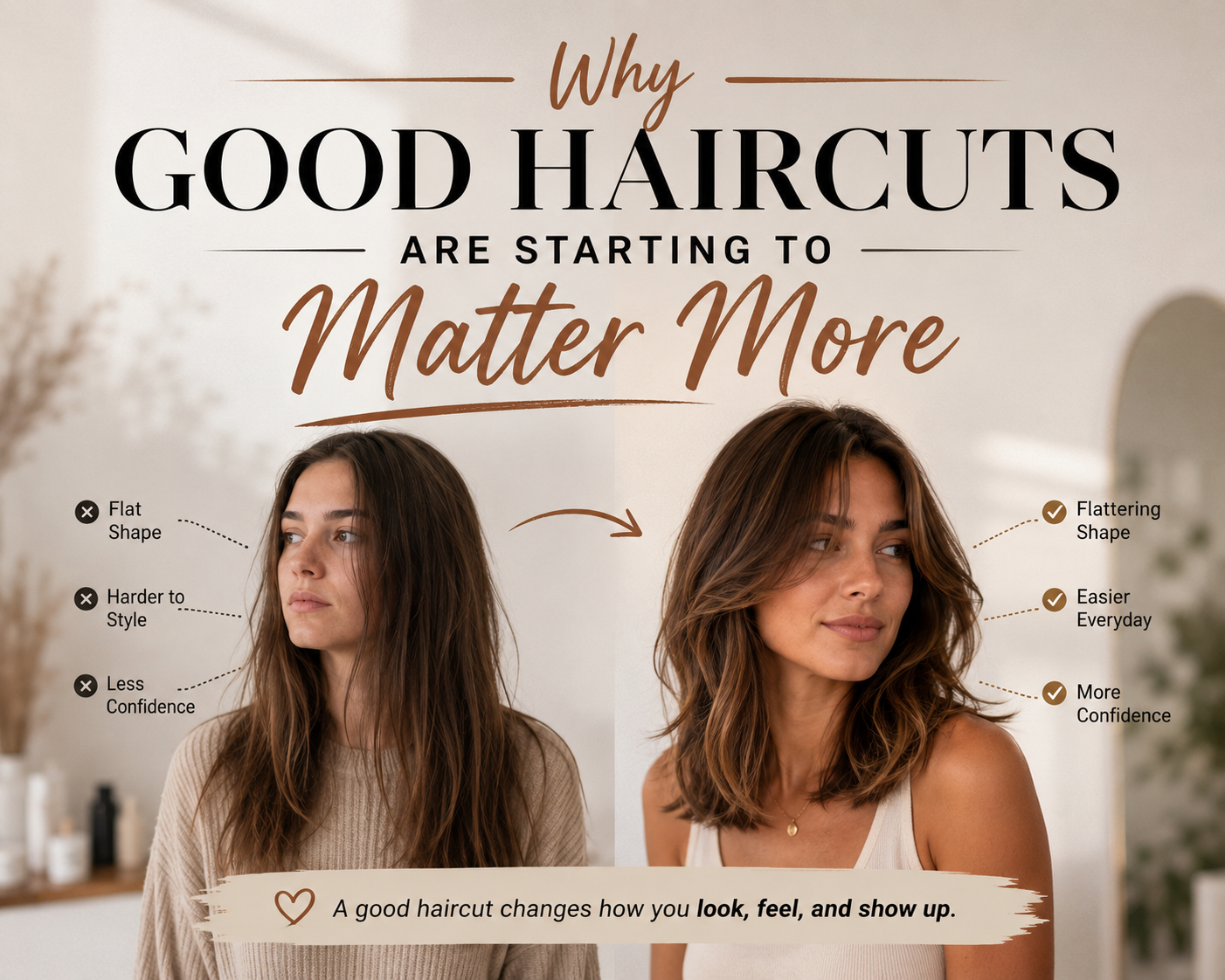
A well-executed haircut changes how the hair behaves before any styling begins. It influences movement, weight distribution, texture and even how easily the hair falls into place naturally.
When the structure is balanced correctly, styling becomes easier and more consistent. When it isn’t, even the best products often struggle to create lasting results.
This has become especially noticeable with softer modern hair trends, where movement matters more than rigid shape. Cuts that are too heavy or poorly layered can quickly make the hair feel difficult to manage day to day.
Why routines are becoming simpler
There’s also been a broader shift towards lower-maintenance hair routines.
Rather than relying on multiple products every morning, many people are looking for cuts that naturally support the way their hair behaves. Simplicity has become more appealing than overly complicated styling systems that are difficult to maintain long-term.
Part of this change reflects lifestyle. People want hair that works across busy schedules, commuting and changing weather conditions without requiring constant attention throughout the day.
A strong haircut helps create that flexibility because it reduces the need for excessive styling afterwards.
The difference between styling and support
One of the biggest misconceptions in haircare is the idea that products create the style itself.
In reality, products usually support what the haircut is already doing.
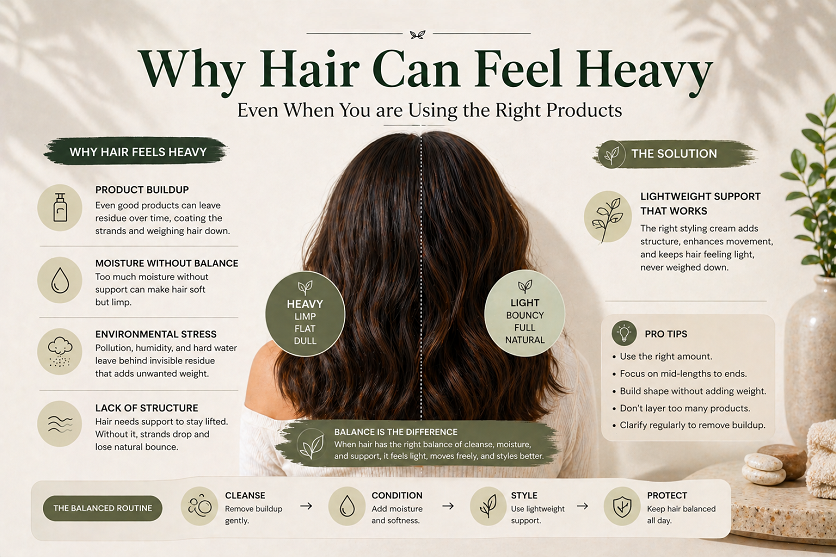
Texture sprays may enhance movement. Lightweight creams can improve definition. Finishing products can help maintain shape. But if the haircut underneath lacks balance, products can only do so much.
This is one reason consultations have become increasingly important in salons focused on long-term wearability rather than short-term styling trends.
Stylists are spending more time understanding:
- how the hair behaves naturally
- how often it’s styled
- how quickly it loses shape
- and what level of maintenance realistically fits into daily life
Why personalised cutting matters more now
Hair density, texture and natural growth patterns all affect how a haircut performs beyond the salon.
A shape that works beautifully for thick hair may collapse completely on finer textures. Likewise, cuts designed around excessive styling often become difficult to maintain outside professional environments.
Because of this, many salons are moving towards a more tailored approach, adapting cutting techniques to the individual rather than trying to replicate one universal trend.
In London particularly, where routines tend to move quickly between work, social events and travel, adaptability has become one of the most valued parts of modern haircare.
The role of modern salon culture
Another noticeable shift is that salons are placing greater emphasis on longevity rather than immediate impact alone.
Instead of focusing purely on how hair looks when leaving the salon, many stylists now think more carefully about how it will behave several weeks later — how it grows out, how it responds to weather and how manageable it remains over time.
Why this shift feels more sustainable
Interestingly, this renewed focus on haircut quality feels part of a wider movement happening across beauty generally.
People are becoming more interested in longevity, practicality and realism rather than quick cosmetic fixes. Hair that feels adaptable and wearable throughout the day tends to feel more modern than styles that require constant maintenance.
That doesn’t mean products are becoming irrelevant. They still play an important role in enhancing texture and supporting condition.
But increasingly, people are recognising that products work best when the foundation underneath is already right.
Because ultimately, good hair rarely comes from one styling product alone.
More often, it starts with a haircut that understands how the hair naturally wants to move.