A few years ago, beauty trends were louder.
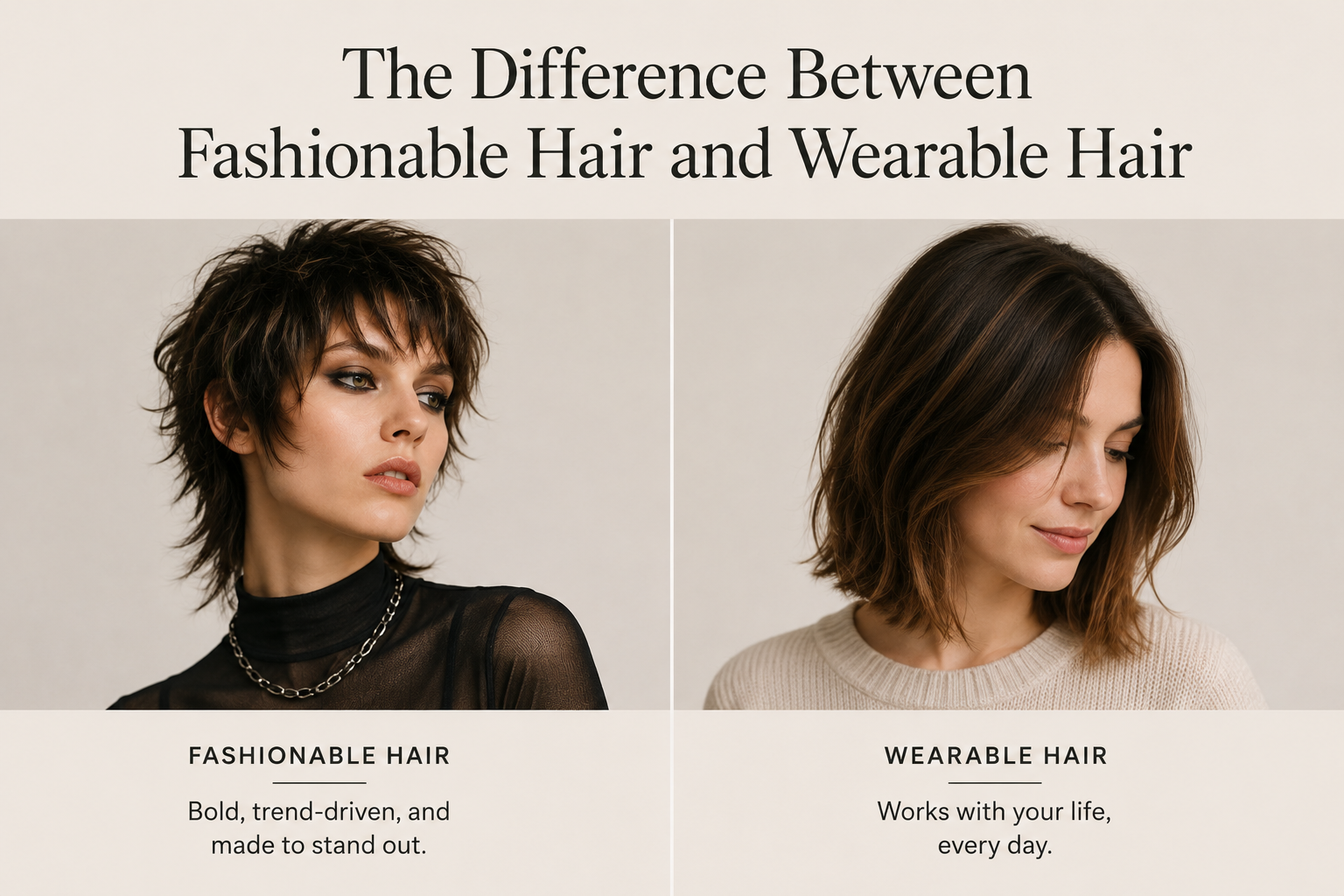
Hair colour was brighter. Styling was more sculpted. Finishes were intentionally polished in a way that made effort highly visible. The goal often felt obvious: make the styling noticeable.
Now, beauty culture has shifted in a very different direction.
Across fashion, interiors and personal style, “quiet luxury” has become one of the defining aesthetic movements of the past few years — and hair trends have followed closely behind.
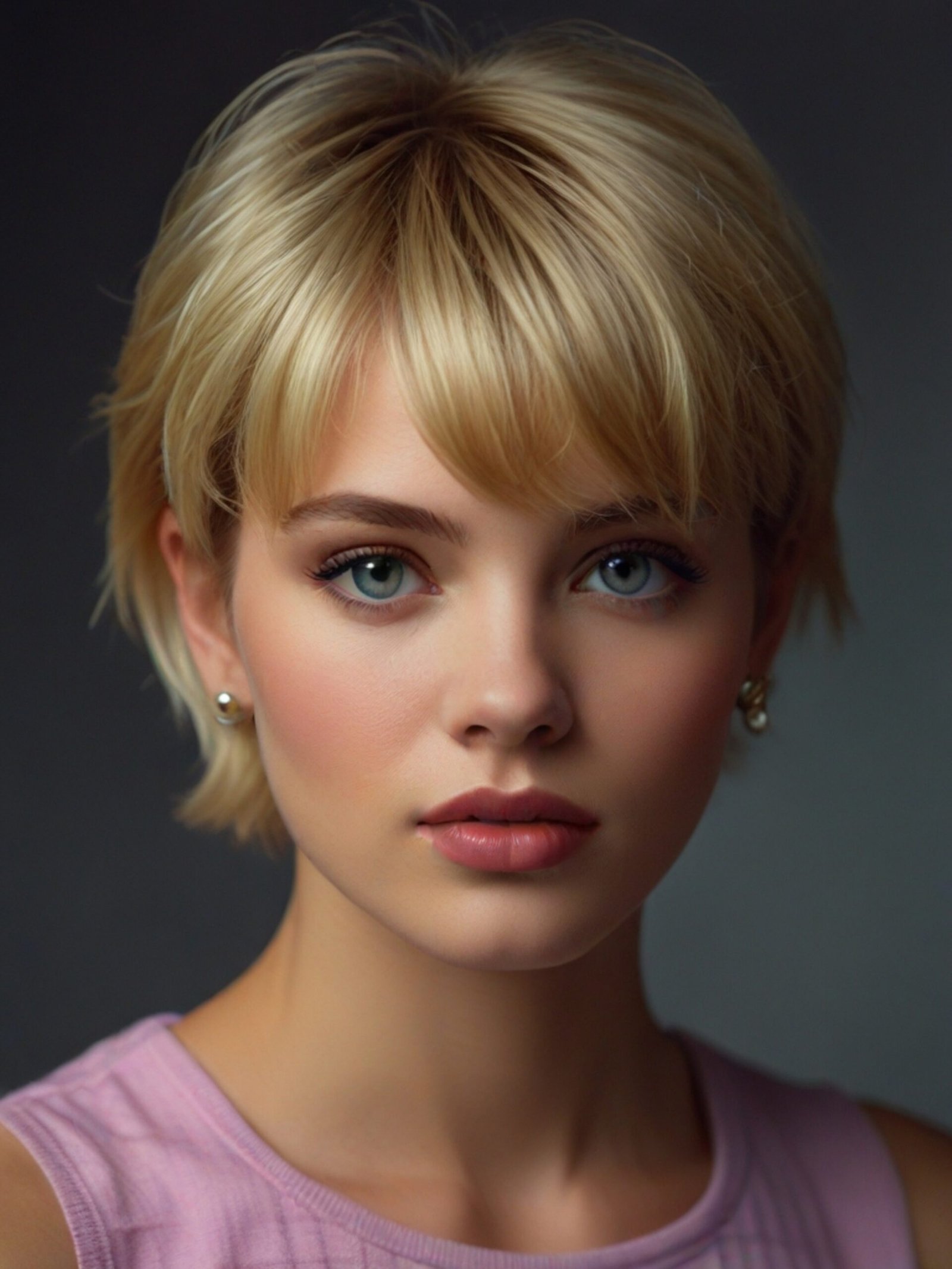
The modern idea of expensive-looking hair is no longer built around dramatic transformation or obvious styling. Instead, the most sophisticated hair increasingly looks effortless, healthy and understated.
And in many ways, that change reflects something much bigger happening in beauty culture overall.
Why beauty became less performative
For years, social media rewarded visibility.
Highly polished blow-dries, dramatic colour transformations and perfect styling performed extremely well online because they created immediate visual impact. Beauty became increasingly tied to presentation rather than practicality.
But over time, audiences began responding differently.
There’s now greater appreciation for beauty that feels believable rather than obviously constructed. Hair that moves naturally often appears more aspirational than hair that looks rigidly controlled.
This shift has influenced everything from colour placement to haircutting techniques.
Rather than aiming for “perfect” hair, many people now want hair that:
- looks healthy in natural lighting
- grows out softly
- and still feels elegant outside carefully staged environments
That subtle difference has dramatically changed salon expectations.
Why healthy texture now feels luxurious
One of the biggest changes within modern salon culture is the growing importance of hair condition itself.
Luxury hair used to mean styling.
Now, luxury increasingly means:
- softness
- movement
- natural shine
- and texture that feels expensive without appearing overly processed
This is partly why healthier hair routines have become so influential. Excessive heat styling and heavy product layering often create visible effort, whereas modern beauty trends favour restraint.
As a result, many salons now focus more carefully on preserving:
- density
- texture
- long-term condition
- and movement
rather than pushing dramatic styling at all costs.
Beauty reporting from Harper’s Bazaar and Vogue has repeatedly highlighted the rise of healthier, softer and more understated beauty aesthetics across luxury culture.
Source references:
https://www.harpersbazaar.com/beauty/hair/
https://www.vogue.co.uk/beauty
Why modern colour trends look more natural
Hair colour has evolved dramatically within this quieter beauty landscape.
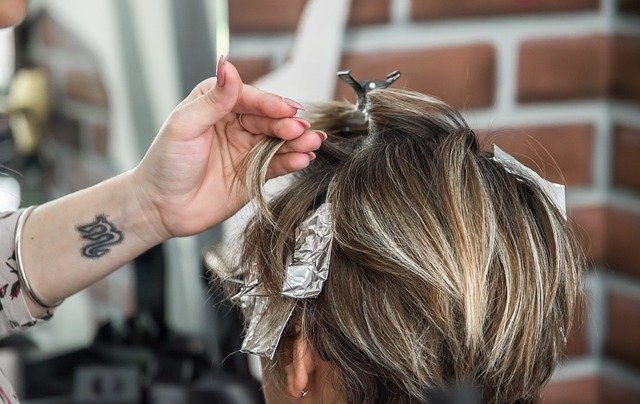
A decade ago, strong contrast and obvious highlights dominated salon trends. Colour was often designed to look immediately noticeable.
Now, softer dimension has become far more desirable.
Modern luxury colour techniques increasingly focus on:
- subtle tonal variation
- blended transitions
- and movement that complements natural texture
The goal is no longer dramatic transformation.
Instead, the colour should appear effortless — almost as though the hair naturally behaves that way on its own.
This is one reason lower-maintenance colour has become so popular. Softer colour placement usually grows out more elegantly and requires less visible upkeep, aligning perfectly with modern beauty preferences.
Why haircutting became more technical again
Interestingly, understated hair trends have made technical haircutting more important than ever.
When styling becomes softer and less structured, the quality of the haircut underneath becomes much more visible.
Heavy styling can temporarily disguise imbalance. Natural movement cannot.
As a result, many stylists now focus more carefully on:
- layering
- weight distribution
- texture behaviour
- and how the hair moves naturally between appointments
The objective is no longer creating one dramatic salon finish. Instead, it’s creating hair that continues looking refined weeks later under normal conditions.
That subtlety is often what separates expensive-looking hair from trend-driven styling.
Why “quiet luxury” fits modern lifestyles
Another reason quieter beauty trends continue growing is because they integrate more naturally into everyday life.
Hair that feels soft and wearable adapts better to:
- commuting
- travel
- changing weather
- and busy schedules
without needing constant maintenance.
This practicality has become increasingly important, especially in cities like London where beauty trends tend to prioritise individuality and realism over perfection.
People increasingly want routines that support their lives rather than dominate them.
That mindset has reshaped beauty culture far beyond hair alone.
The influence of fashion minimalism
Fashion itself heavily influenced this movement.
As tailoring became softer and branding became less visible, beauty naturally followed the same direction. Understated aesthetics began feeling more sophisticated than overt glamour.
Hair adapted accordingly.
Softer movement, natural texture and subtle colour started communicating refinement more effectively than heavily styled finishes.
Fashion publications including Who What Wear and Fashionista have both explored how quiet luxury continues shaping modern beauty aesthetics internationally.
Source references:
https://www.whowhatwear.co.uk/beauty/hair
https://fashionista.com/beauty
Why this trend feels permanent
Unlike highly trend-driven beauty cycles, quiet luxury feels more sustainable because it aligns with how people increasingly want beauty to function:
- adaptable
- wearable
- healthier
- and less performative overall
And ultimately, that may be why understated hair now feels far more modern than dramatic styling.
Because luxury is no longer about proving effort.
It’s about making effort invisible.