A creative space is defined by more than what happens inside it. It is shaped by the atmosphere, the people who move through it and the small exchanges that take place between one idea and the next. In some places, creativity is loud and immediate. In others, it develops quietly, through observation, experimentation and a willingness to see familiar things differently. A good hair salon belongs to the latter category as much as the former.
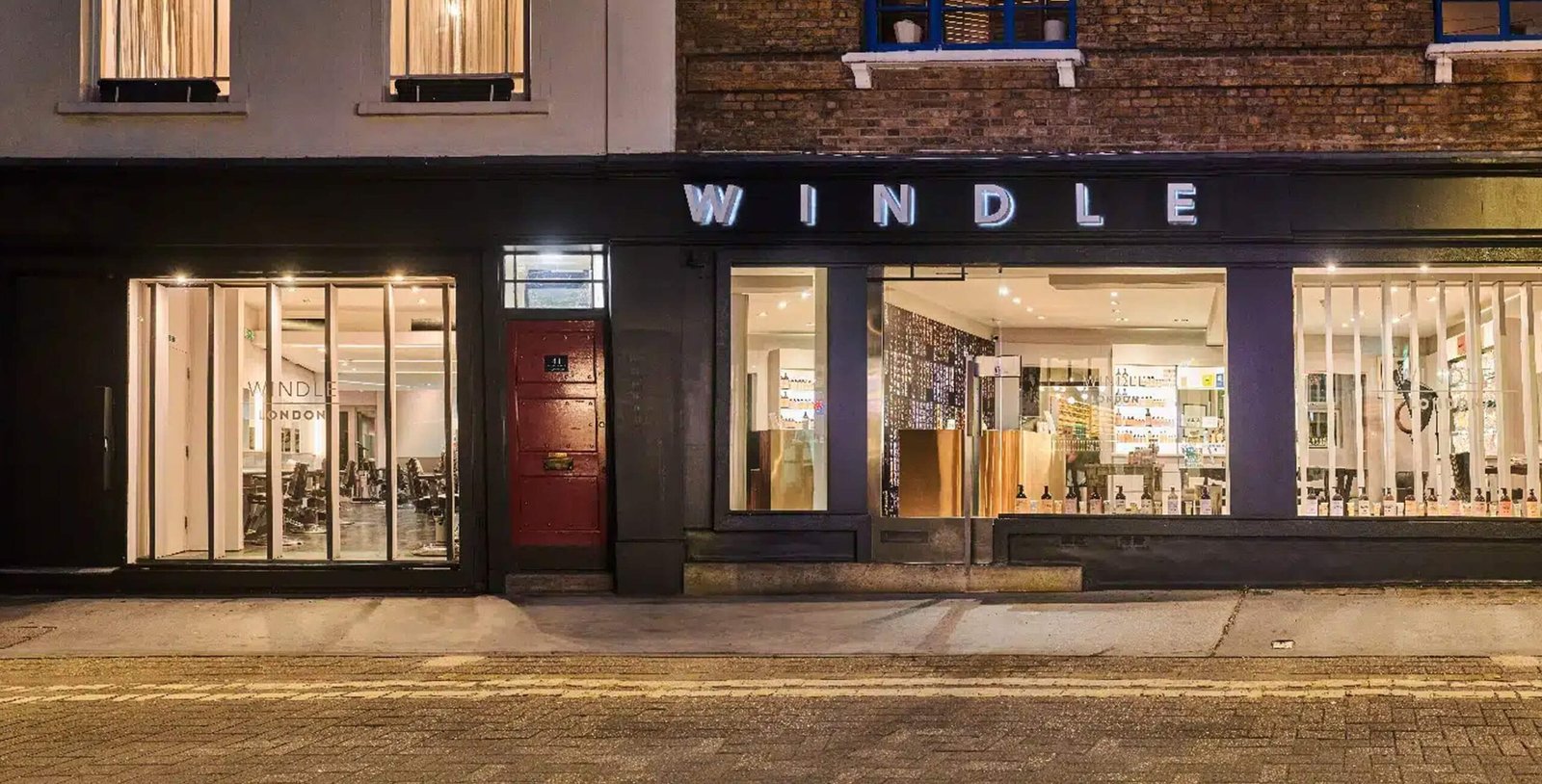
From the outside, a salon might appear to be a straightforward place of appointments, mirrors and styling chairs. Yet there is a remarkable amount of creative activity taking place within those familiar surroundings. A colourist considers how different tones might interact. A stylist studies the relationship between shape and movement. Someone experiments with a new way of creating texture, while another draws inspiration from a photograph, a film or something noticed on the journey to work. The ideas are often small, but their possibilities are considerable.
London provides an especially interesting setting for this exchange of influences. Fashion, architecture, photography, theatre and everyday street style exist in constant conversation. A detail spotted in an exhibition might influence a new approach to shape; the colours of a changing season might suggest a different palette. Inspiration does not always arrive as a fully formed idea. Sometimes it begins with a fleeting impression that becomes meaningful only later.
This is one reason discover creative hair salons in Central London is a useful starting point for anyone interested in how contemporary salon culture brings artistry into everyday life. The appeal is not simply the promise of a particular look. It is the opportunity to experience a space where technical skill and creative thinking work alongside one another.
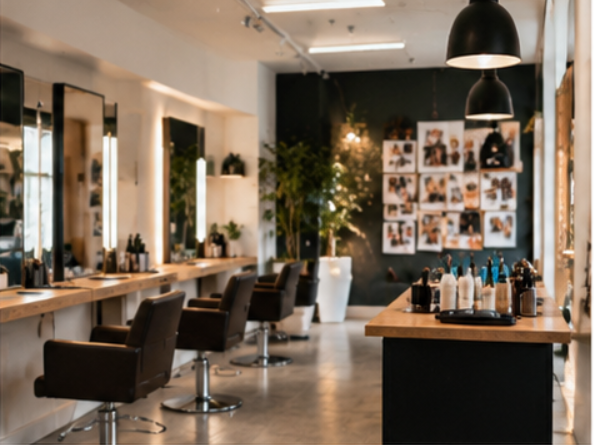
The physical environment plays its part. Lighting affects how colour is perceived. Mirrors create different perspectives on shape and proportion. The arrangement of the working space influences how people move, concentrate and interact. A well-considered salon does not need to be extravagant to feel distinctive. Often, its character comes from the balance between openness and privacy, energy and calm, movement and concentration.
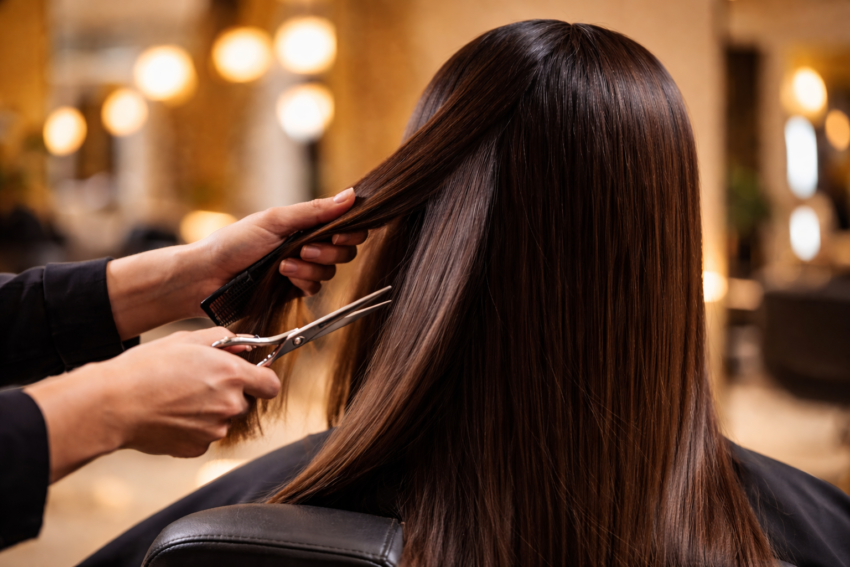
There is something fascinating about watching a creative process unfold in real time. Unlike a painting or a finished photograph, hair exists in three dimensions and changes as it is being worked on. A shape that looks promising from one angle may need adjustment from another. Colour can appear different as the light changes. Texture may reveal itself only when the hair is dried and allowed to move. The final result develops through a sequence of decisions rather than a single defining gesture.
That process also requires room for individuality. Creative work becomes less interesting when every result follows the same formula. Two clients might request similar styles yet leave with distinctly different interpretations because their hair, preferences and desired finishes are not identical. The challenge is to use technique as a foundation without allowing it to become a limitation.
Hair-care products contribute to this process in ways that are not always immediately visible. A conditioning formula can improve the way hair feels and responds to styling. A carefully selected product can emphasise natural texture, support volume or create a softer finish. These choices are part of the creative vocabulary available to a stylist, helping transform a technical idea into a result that feels complete.
The most interesting product decisions are often the most considered. Rather than applying several products simply because they are available, a stylist can select what supports the intended result. The aim might be to preserve movement, create separation between sections or encourage a smoother surface. Understanding how products behave makes it possible to work with greater precision while avoiding unnecessary complexity.
There is also an educational dimension to the salon as a creative space. Clients can discover how a particular finish is achieved, why a product suits their hair or how a small adjustment might change the appearance of a style. This exchange of knowledge does not need to resemble a formal lesson. It can happen naturally while the hair is being dried, shaped or finished. The result is a more informed relationship with hair care that extends beyond the appointment.
Perhaps the greatest strength of a good salon environment is its ability to make creativity practical. Fashion imagery and editorial photography can offer extraordinary inspiration, but everyday hair has different demands. It must work with real schedules, changing weather and the preferences of the person wearing it. Translating an artistic idea into something comfortable and wearable requires a particular kind of judgement.
This is where creative ambition becomes genuinely useful. A stylist can draw inspiration from an elaborate runway look without attempting to reproduce every detail. A colour idea can be adapted into something more subtle. A dramatic shape can inspire a smaller adjustment that changes the overall effect without requiring a complete transformation. The creative process becomes a dialogue between possibility and practicality.
For anyone exploring the wider world of salon culture, it is worth looking beyond photographs of finished hairstyles. The people, environment and decisions behind the result reveal just as much about the quality of the work. A thoughtfully designed space, a considered selection of products and a team that values experimentation can all contribute to a more interesting experience.
Ultimately, a salon is not simply somewhere hair is changed. It is somewhere ideas are tested against reality, where visual inspiration meets technical knowledge and where small creative decisions become part of everyday life. The most compelling results often emerge from this combination of imagination and restraint.
And perhaps that is what makes a creative salon distinctive. It allows room for new ideas without losing sight of the person who will wear them. The work may begin with a passing inspiration, a conversation about shape or a particular quality of light. What matters is how that idea is developed, refined and made real.