The final few minutes of a salon appointment can seem almost incidental. The haircut has already been shaped. The colour has been completed. The hair has been dried. What remains may appear to be little more than polishing the result before the client leaves.
In professional hairdressing, however, finishing is rarely an afterthought.
It is often the stage where everything that came before is brought together.
A haircut has structure, but finishing reveals how that structure is intended to move. A colour has depth, but finishing can show how that depth changes with light. Texture may have been carefully preserved, yet the final styling determines whether it feels soft, defined, controlled or completely natural.
The difference can be subtle.
That is precisely what makes it interesting.
People often associate technical skill with the dramatic parts of hairdressing. They think about precision cutting, colour formulation or complex transformations. Those skills are undeniably important. But there is another kind of expertise in knowing when the work is finished and when one more adjustment would make it better.
A professional stylist learns to see those details.
They notice when a section is sitting differently from the rest. They see when a shape needs a little more movement or when removing another fraction of weight would actually weaken the result. They understand that the final appearance is not created by one action but by the relationship between many small decisions.
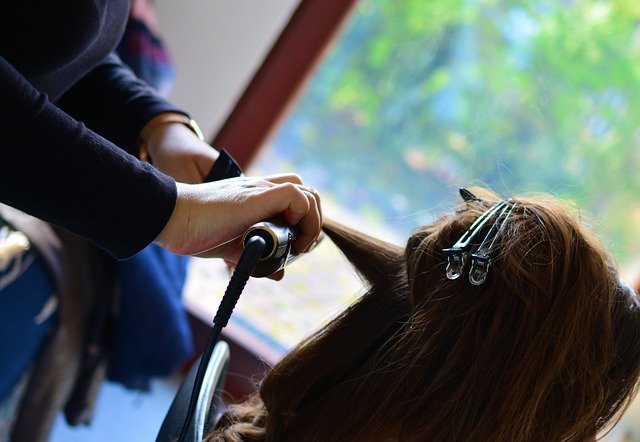
This is particularly clear during a blow-dry or final styling. The technique is not simply about making hair smooth. It can reveal the architecture of the haircut. Direction, tension and movement all influence the way the finished style sits. A professional can use those elements to show the intended character of the cut without making the hair appear overly constructed.
There is an art to restraint here.
Too much styling can hide the haircut rather than reveal it. Too much product can weigh down movement. Too much heat can make the finish look harder than intended. The best finishing work often has a sense of proportion. Enough to support the shape, but not so much that the hair loses its natural character.
That balance becomes especially important when working with texture. Hair does not have to be completely smooth to look polished. Waves, curls and natural movement can have their own form of refinement. A stylist who understands texture knows that the goal is not always to remove irregularity. Sometimes it is to give that irregularity enough definition to become part of the style.
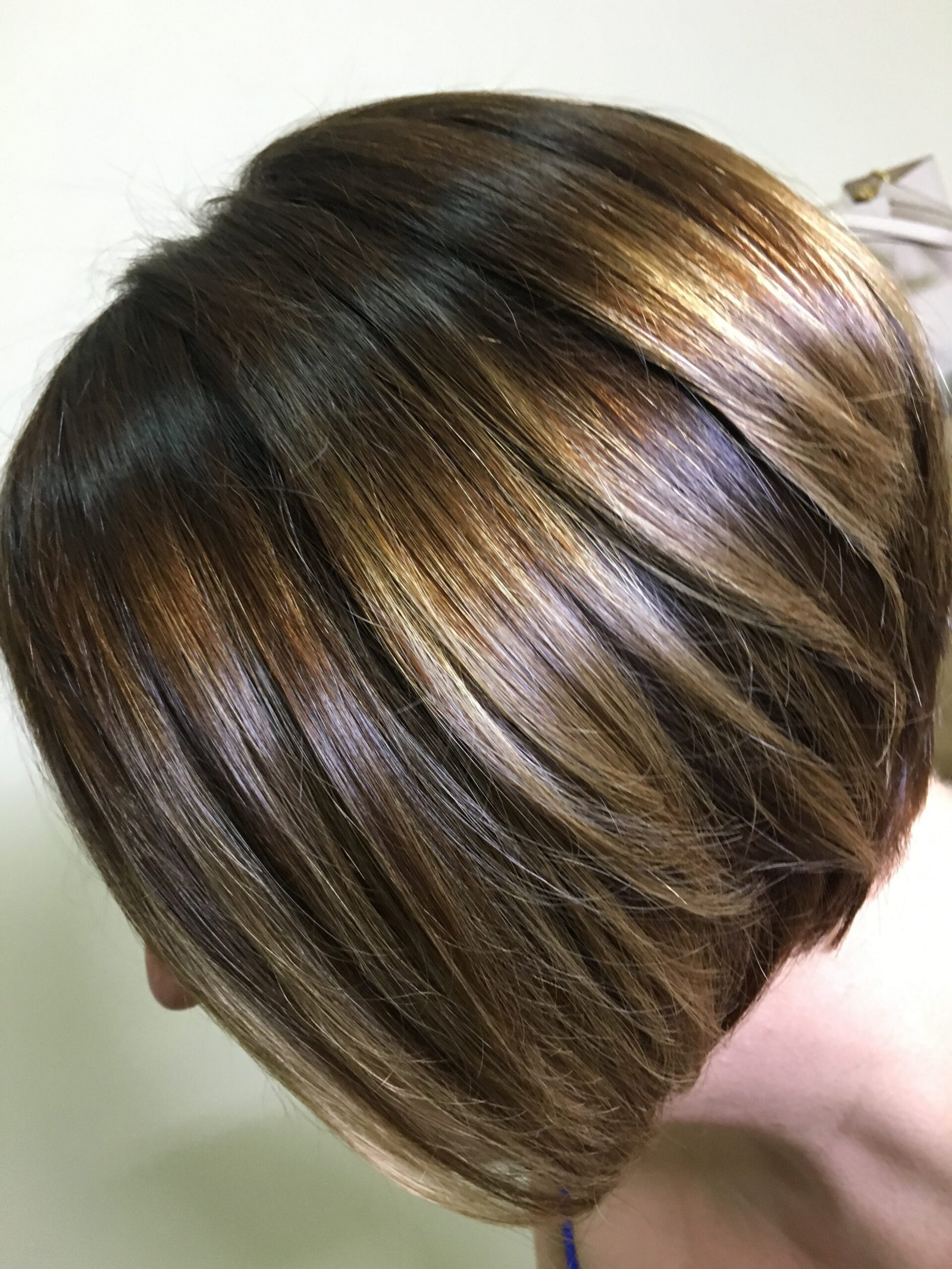
The same principle applies to straight hair. Sleekness can be beautiful, but it does not have to mean stiffness. A professional finish can retain softness while creating a controlled silhouette. The difference often comes down to small technical decisions that are difficult to notice once the finished result is complete.
This is one reason salon work can be difficult to reproduce exactly at home. It is not necessarily because the client lacks the right tools. The challenge is often knowing what to observe.
A professional is constantly assessing the hair while working.
They can see how quickly it dries.
They can feel how much resistance it has.
They can notice which areas need more control.
They can recognise when a product has already done enough.
Those observations guide the next decision.
Over time, this becomes almost instinctive. Years of working with different types of hair create a visual and physical vocabulary. A stylist learns how a particular technique tends to behave. They learn how much pressure is useful, how much product is necessary and when to stop.
Stopping is an underrated skill.
There is always the possibility of doing more. More product can create more hold. More heat can create more smoothness. More brushing can create more control. Yet more does not automatically mean better. Hair can lose movement when it is overworked. It can lose softness when too many products accumulate. A finish can become less natural when the stylist tries too hard to perfect it.
The strongest results often come from knowing where the boundary lies.
This philosophy also changes the way hair-care products are viewed. Products are most effective when they support a specific purpose rather than simply adding another layer to the routine. A lightweight product can help maintain movement. A conditioning formula can improve softness and manageability. A protective product can support hair exposed to regular heat. A finishing formula can refine the appearance without overwhelming it.
Professional advice matters because the same product category can behave differently depending on the hair. What creates beautiful movement on one person may feel too heavy on another. What gives definition to one texture may provide very little control for another. Product selection is therefore another part of the stylist’s craft.
The finished result is not simply a demonstration of what a product can do. It is an example of what happens when the product, technique and individual hair are understood together.
There is also a psychological element to finishing. The final moments of an appointment are often when the client sees the complete result for the first time. Small adjustments can influence that first impression. A stylist may turn the chair slightly, change the direction of the hair or soften a section around the face. These actions can make the finished look feel more personal.
That does not mean the stylist is creating an artificial version of the client.
Quite the opposite.
The best finishing work often makes the original haircut feel more natural.
It shows the client how the shape can move.
It demonstrates what the hair can do.
It gives them a practical reference for recreating part of the effect at home.
This is why the final few minutes can also be educational. A good stylist may explain where to place a product or how to encourage a particular movement. They may show how little product is actually required. They may demonstrate a technique that makes sense for the person’s daily routine rather than simply recreating the salon finish.
That knowledge can be surprisingly valuable.
A client who understands why their hair behaves a certain way is more likely to make confident decisions between appointments. They become less dependent on trial and error. They can recognise when their routine is helping and when it may be working against the hair.
In that sense, finishing is not really the end of the service.
It is a bridge between professional work and everyday hair care.
The salon creates the foundation.
The client carries the result forward.
That relationship is part of what makes professional hairdressing different from simply changing the appearance of hair. The stylist is not only producing a finished image. They are showing how the hair can function.
Perhaps this explains why some salon results feel unusually effortless. The hair has not been forced into a particular shape. The finishing has respected what the haircut is already designed to do.
There is no unnecessary drama.
No obvious struggle.
Just movement, balance and a sense that everything is where it should be.
The last few minutes may therefore be some of the quietest in a salon.
They can also be some of the most revealing.
They show whether the haircut has been understood.
They show whether the products have been used with purpose.
They show whether the stylist knows when to refine and when to stop.
And when those decisions are made well, the final result can appear almost inevitable.
As though the hair was always meant to fall that way.
That is the particular beauty of professional finishing.
The skill is there.
The technique is there.
But the finished hair does not need to announce any of it.