Hair is often considered one of the most defining aspects of personal appearance. Healthy, shiny, and strong hair can enhance confidence and contribute significantly to overall grooming. However, maintaining beautiful hair requires more than simply washing it with shampoo. Proper hair care involves understanding your hair type, following a consistent routine, using the right products, and maintaining a healthy lifestyle.
In this comprehensive guide, we will explore everything you need to know about hair care—from understanding hair structure to building an effective hair care routine that promotes healthy hair growth and prevents damage.
Understanding Hair Structure
Before diving into hair care routines, it is important to understand how hair works.
Each strand of hair is made up of a protein called keratin, which forms in hair follicles located in the scalp. Hair grows from these follicles and receives nutrients through the bloodstream.
A hair strand has three layers:
1. Cuticle
The outermost layer that protects the hair shaft. When the cuticle is smooth and flat, hair appears shiny and healthy.
2. Cortex
The middle layer responsible for hair strength, elasticity, and colour.
3. Medulla
The innermost layer, often found in thicker hair types.
Healthy hair care practices focus on protecting the cuticle and nourishing the cortex to prevent breakage and dryness.
Why Hair Care Is Important
Hair care is not only about aesthetics. Proper hair maintenance contributes to scalp health, prevents hair loss, and improves hair texture.
Benefits of a good hair care routine include:
- Stronger hair strands
- Reduced hair fall
- Improved hair growth
- Healthier scalp
- Reduced dandruff
- Shinier hair
- Less breakage and split ends
Without proper care, hair can become dry, brittle, and prone to damage from environmental factors.
Know Your Hair Type
One of the most important steps in hair care is identifying your hair type. Different hair types require different care routines.
1. Straight Hair
Straight hair tends to become oily quickly because natural scalp oils travel easily down the hair shaft.
2. Wavy Hair
Wavy hair lies between straight and curly hair. It needs moisture but can also become frizzy.
3. Curly Hair
Curly hair is naturally dry because oils struggle to travel down the spiraled strands.
4. Coily Hair
Coily or kinky hair is the most fragile hair type and requires intense moisture and gentle handling.
Certain methods such as the Curly Girl Method encourage minimizing harsh shampoos and focusing on hydration to maintain natural curls.
Essential Hair Care Routine
A consistent routine is the foundation of healthy hair.
1. Regular Hair Washing
Washing your hair removes dirt, oil, and product buildup.
Tips for washing hair properly
- Wash hair 2–3 times per week
- Use lukewarm water
- Massage the scalp gently
- Avoid excessive shampoo
Overwashing can strip the scalp of natural oils, leading to dryness and irritation.
2. Conditioning Your Hair
Conditioner restores moisture and smooths the hair cuticle.
Benefits of conditioning include:
- Detangling hair
- Reducing frizz
- Adding shine
- Preventing breakage
Apply conditioner mainly to the mid-lengths and ends, not directly on the scalp.
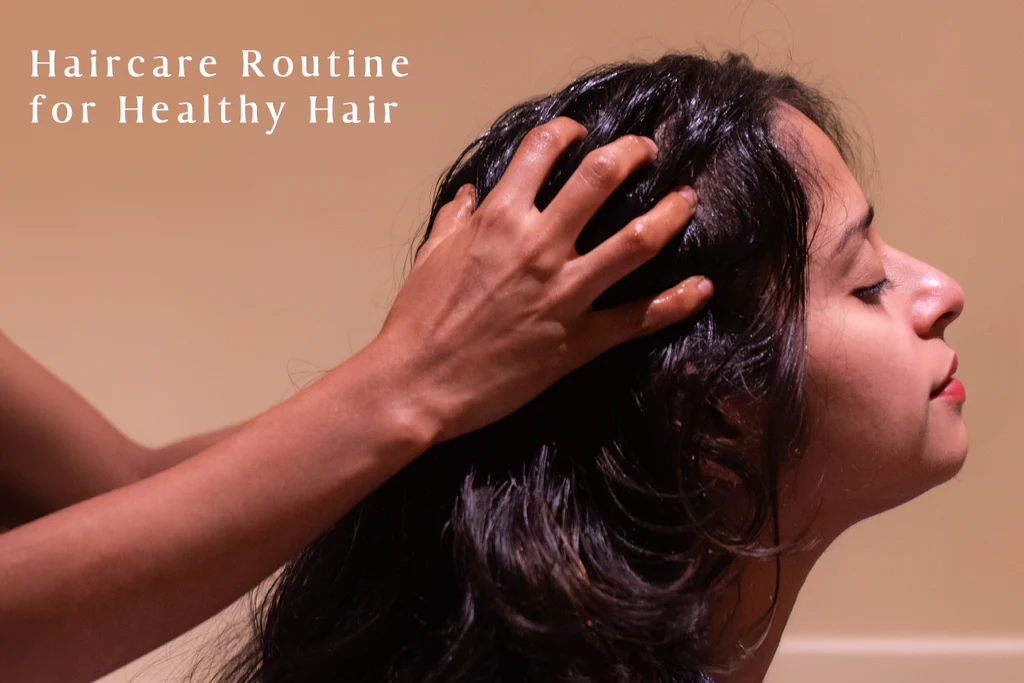
3. Oil Massage for Hair Health
Hair oiling has been practiced for centuries and is still one of the most effective hair care practices.
Popular oils include:
- Coconut oil
- Almond oil
- Castor oil
- Olive oil
- Bhringraj oil
Hair oils nourish the scalp, improve blood circulation, and strengthen hair follicles.
How to apply hair oil
- Warm the oil slightly
- Massage into the scalp
- Leave for 30 minutes or overnight
- Wash with mild shampoo
Regular oil massages can improve scalp health and reduce hair breakage.
Natural Hair Care Remedies
Many natural ingredients can improve hair health.
Aloe Vera
Aloe vera is known for its hydrating and soothing properties. It helps reduce dandruff, adds shine, and promotes healthy hair growth.
Curd (Yogurt)
Curd contains protein and lactic acid that nourish hair and balance scalp pH.
It can:
- Improve hair texture
- Strengthen hair roots
- Reduce dandruff
Curd hair masks are widely used in traditional hair care routines.
Weekly Hair Care Routine
In addition to daily care, weekly treatments help maintain hair health.
Deep Conditioning
Use a hair mask once a week to deeply hydrate hair.
Scalp Exfoliation
Remove dead skin cells and product buildup.
Hair Trimming
Trim hair every 6–8 weeks to prevent split ends.
Hair Spa Treatment
A hair spa helps restore moisture and repair damage caused by styling or pollution.
Diet and Nutrition for Healthy Hair
Hair health is directly connected to nutrition.
A balanced diet rich in vitamins and minerals is essential for strong hair.
Important nutrients for hair growth
Protein
Hair is made of keratin, a protein. Lack of protein can cause hair thinning.
Sources:
- Eggs
- Fish
- Lentils
- Dairy products
Iron
Iron deficiency is one of the leading causes of hair loss.
Sources:
- Spinach
- Red meat
- Beans
- Nuts
Omega-3 Fatty Acids
Promote scalp health.
Sources:
- Flax seeds
- Walnuts
- Fish oil
Biotin and Vitamins
Biotin, vitamin A, C, and E support hair growth and scalp health.
A nutritious diet supports hair from the inside out.
Common Hair Problems and Solutions
Hair Fall
Hair fall can be caused by stress, poor diet, hormonal changes, or improper hair care.
Solutions
- Improve nutrition
- Reduce heat styling
- Massage scalp regularly
Dandruff
Dandruff is caused by scalp dryness or fungal growth.
Remedies
- Tea tree oil
- Aloe vera
- Anti-dandruff shampoos
Dry and Frizzy Hair
Dry hair lacks moisture and often appears rough.
Solutions
- Use hydrating shampoos
- Apply hair masks
- Avoid excessive heat styling
Tips for Preventing Hair Damage
Hair damage can result from environmental exposure, chemical treatments, or improper styling.
1. Limit Heat Styling
Frequent use of hair dryers, straighteners, and curling irons can weaken hair.
2. Use Heat Protection
Always apply a heat protectant before styling.
3. Avoid Tight Hairstyles
Tight ponytails or braids can cause hair breakage.
4. Use a Microfiber Towel
Rough towels cause friction and breakage.
5. Sleep on Silk Pillowcases
Silk pillowcases reduce hair friction and frizz.
Best Hair Care Habits
Healthy hair depends on consistent habits.
Healthy hair habits include:
- Gentle brushing
- Drinking plenty of water
- Managing stress
- Avoiding harsh chemicals
- Protecting hair from sun exposure
- Keeping the scalp clean
Consistency is key to achieving long-term hair health.
Hair Care According to Seasons
Hair needs change depending on weather conditions.
Summer Hair Care
- Protect hair from sun exposure
- Wash hair regularly to remove sweat
- Use lightweight conditioners
Winter Hair Care
- Moisturize hair frequently
- Avoid hot water washing
- Use nourishing hair oils
Monsoon Hair Care
- Keep scalp dry
- Use antifungal shampoos
- Avoid tying wet hair
Seasonal adjustments help maintain healthy hair throughout the year.
Building a Simple Daily Hair Care Routine
Here is an easy routine anyone can follow.
Morning
- Gently brush hair
- Apply serum or leave-in conditioner
Evening
- Massage scalp lightly
- Detangle hair before bed
Weekly
- Oil massage
- Hair mask treatment
Following a simple routine consistently is more effective than using many products occasionally.
Final Thoughts
Hair care is a long-term commitment that requires patience and consistency. Healthy hair does not happen overnight—it is the result of proper nourishment, good habits, and a balanced lifestyle.
By understanding your hair type, using the right products, maintaining a healthy diet, and following a consistent routine, you can achieve strong, shiny, and beautiful hair.
Remember that hair reflects overall health. When you take care of your body and scalp, your hair naturally becomes healthier and more vibrant.