There was a time when hair trends moved in a very predictable way.
Runways introduced them. Celebrities amplified them. Salons recreated them.
Then everyone else tried to follow.
But increasingly, that formula feels outdated.
Some of the most influential hair trends emerging across London today aren’t coming directly from fashion shows or red carpets at all. They’re coming from something much more practical: real life.
From the way people commute across the city to how often they realistically style their hair during the week, modern beauty habits are shaping salon culture far more than many traditional trend forecasts.
And nowhere is that shift more visible than in the way people now approach their hair.
The end of “perfect” hair
For years, polished hair was treated as the ultimate beauty goal. Blow-dries needed to remain immaculate. Waves had to stay structured. Frizz was something to eliminate entirely.
Now, beauty standards feel noticeably softer.
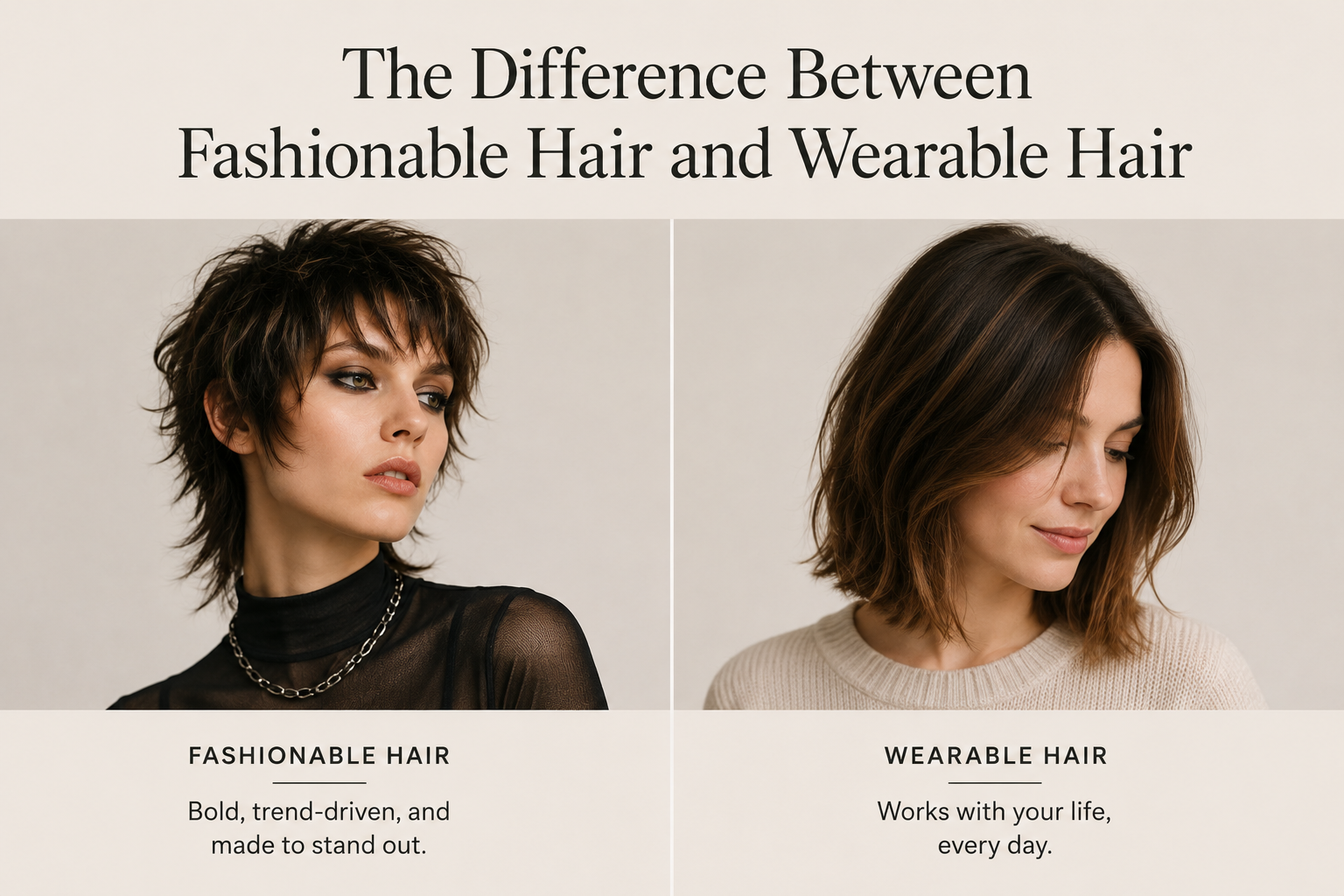
Walk through areas like Soho, Covent Garden or East London and the styles people gravitate towards often feel more relaxed than rigid. Texture is softer. Movement matters more. Hair looks wearable rather than untouchable.
Part of this is cultural.
Beauty trends overall have become less focused on perfection and more focused on individuality. But another part is simply practical. London life moves quickly, and people increasingly want hair that adapts naturally throughout the day instead of collapsing the moment weather, travel or reality interferes.
This is one reason softer styling has become so influential.
Hair that still looks good after a long day often feels more aspirational now than hair that only looks perfect in carefully controlled conditions.
Why practicality now shapes beauty trends
One of the biggest misconceptions about modern beauty trends is that they are entirely aesthetic.
In reality, many of the most successful trends emerge because they fit naturally into people’s lives.
Low-maintenance cuts have become more popular partly because routines are busier. Softer colour placements continue growing because people want less obvious regrowth between appointments. Lightweight styling products are favoured because hair now needs to move naturally rather than remain fixed in place.
Even the rise of natural texture reflects this shift.
People increasingly want to work with how their hair behaves instead of constantly fighting against it. The result is a more personalised approach to beauty overall.
This has dramatically changed how salons approach consultations too.
Rather than simply recreating reference photos, stylists now spend more time understanding:
- how clients wear their hair day to day
- how much maintenance realistically fits their routine
- how hair responds to weather and movement
- and what level of styling actually feels sustainable long-term
That conversation barely existed at the same level ten years ago.
Why modern haircuts feel different now
Haircuts themselves have evolved alongside this movement.
Many modern cuts are now designed specifically to support natural movement rather than relying on excessive styling afterwards. Weight distribution, layering and texture are approached more carefully so the hair falls into shape more naturally on its own.
This is especially important because softer styling actually exposes poor cutting more quickly.
Heavily styled hair can temporarily hide imbalance. Natural movement cannot.
As a result, many salons have quietly shifted towards more technical cutting approaches that prioritise longevity and wearability over dramatic one-day styling.
Beauty publications including Vogue have increasingly highlighted the growing demand for hair that feels effortless and adaptable rather than overly polished.
Source reference:
https://www.vogue.co.uk/beauty
Social media changed beauty — but not how people expected
Ironically, social media has also contributed to the rise of more realistic beauty trends.
Highly polished beauty content once dominated platforms like Instagram, but audiences gradually became more drawn towards hair that felt achievable rather than artificial.
People now engage more strongly with:
- natural texture
- lived-in movement
- lower-maintenance colour
- and styling that still feels believable outside a salon environment
This has changed salon expectations dramatically.
Clients increasingly arrive wanting hair that:
- grows out softly
- requires less daily effort
- and still works outside carefully staged photographs
That shift has encouraged a much broader conversation around sustainability in beauty too — not just environmentally, but emotionally and practically.
Why “wearable beauty” is becoming more valuable
One of the most interesting changes happening within hair culture is that wearability itself has become aspirational.
Hair that survives weather, commuting and long working days now feels more luxurious than styles that require constant maintenance.
There’s something inherently modern about beauty that integrates naturally into everyday life instead of demanding complete control over it.
This is likely why softer styling trends feel more timeless than many highly structured trends from previous years.
Publications such as Refinery29 and Elle have both explored how individuality and practicality are increasingly influencing beauty culture internationally.
Source references:
https://www.refinery29.com/en-gb/hair
https://www.elle.com/beauty/hair/
The future of modern hair trends
The most influential hair trends moving forward may not come from dramatic reinvention at all.
Instead, they’ll likely continue moving towards:
- adaptability
- healthier texture
- softer movement
- and more personalised styling overall
Because ultimately, the hairstyles people keep returning to are rarely the ones that demand perfection.
They’re usually the ones that continue working naturally once real life begins.