Fine hair has a very particular way of behaving. It can look light, soft, and beautifully fluid one moment, and then, almost without warning, it collapses. Volume disappears, shape softens, and what was once styled with intention begins to feel flat and indistinct. This is not a failure of effort, nor is it always the result of incorrect styling. It is often the natural consequence of how fine hair is structured, how it responds to external conditions, and most importantly, what it lacks at a foundational level.
In London, where daily life moves through a constant mix of indoor heating, outdoor humidity, pollution exposure, and long commutes, fine hair is particularly sensitive to environmental change. It reacts quickly, sometimes unpredictably, and maintaining consistency becomes one of the biggest challenges. What starts as a well-styled look in the morning can lose its definition by midday, not because the styling was wrong, but because the hair itself does not have the internal support to hold it.
Understanding fine hair requires moving beyond surface-level assumptions. It is not simply “thin” hair. It is hair that behaves differently, responds differently, and therefore requires a more considered approach.
The Structural Reality of Fine Hair
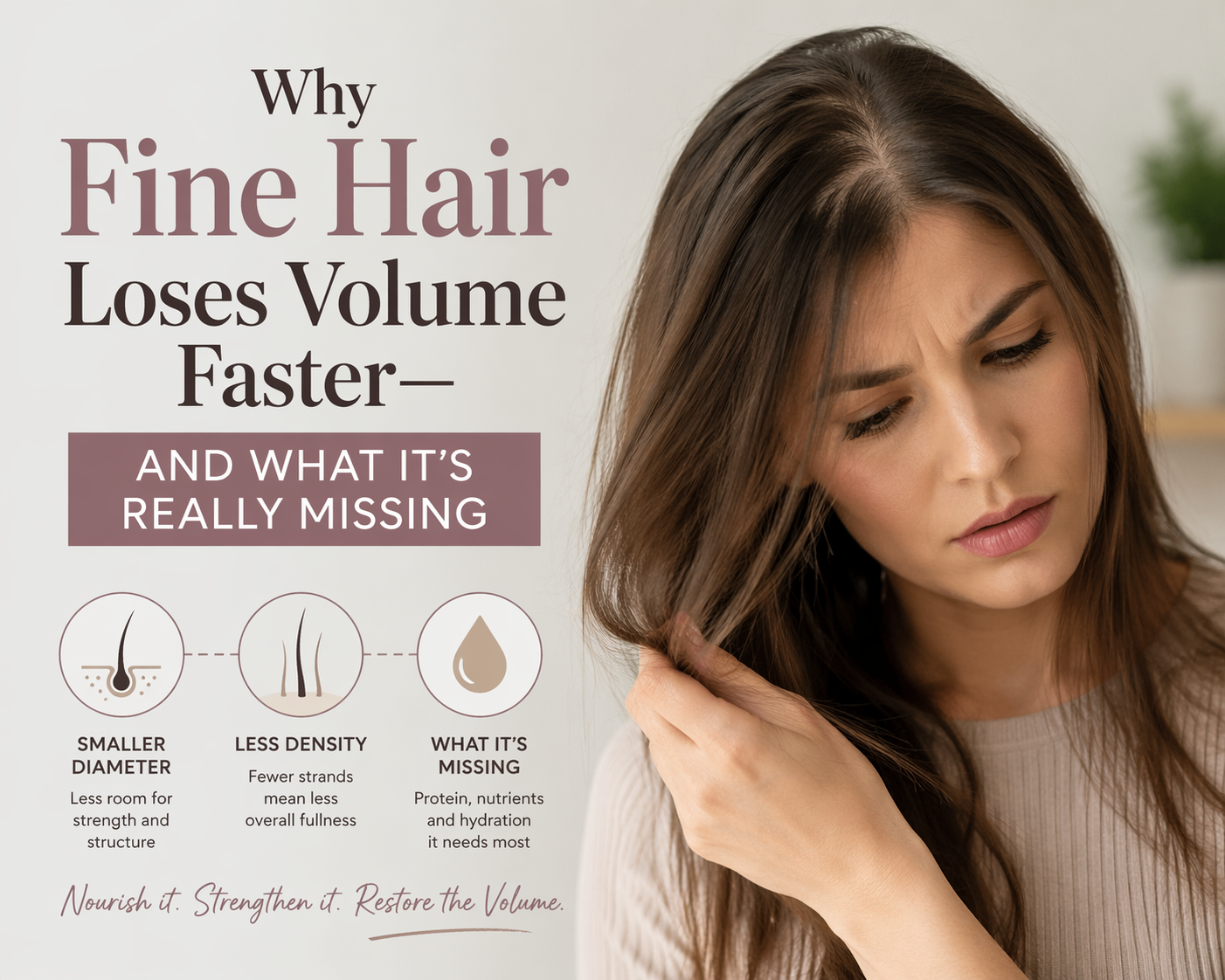
Fine hair is defined by the diameter of each strand, not necessarily the number of strands on the head. You can have a full head of fine hair, yet still struggle with volume and structure. Each strand is lighter, more delicate, and less capable of holding shape without support. This means that even small external influences—humidity, oil production, or product weight—can significantly affect how the hair behaves.
Because the strands are lighter, they are more easily weighed down. This is why fine hair often feels flat even when it is clean. It is not always about oil or buildup, but about the lack of internal strength required to maintain lift at the roots and structure through the lengths. The hair simply does not have enough resistance to hold itself up against gravity and environmental factors.
This is where many routines begin to fail. They focus on adding volume from the outside rather than supporting the hair from within.
Why Volume Is Difficult to Maintain
Volume in fine hair is rarely about creating height. It is about maintaining it.
Many products can create the appearance of volume initially, but the real challenge lies in how long that volume lasts. Fine hair tends to lose its shape quickly because it lacks the structural integrity needed to hold that shape over time. The strands fall back into place, often within hours, leaving the hair looking flat and lifeless.
This is compounded by daily exposure. In London, the shift from outdoor humidity to indoor dryness can alter the hair’s moisture balance throughout the day. Fine hair absorbs and loses moisture quickly, which affects its ability to hold structure. As a result, even well-executed styling can feel temporary.
What is needed is not just lift, but support—something that helps the hair maintain its form without weighing it down.
The Common Mistake: Overloading Fine Hair
One of the most common mistakes in caring for fine hair is overloading it with product.
In an attempt to create volume, people often layer multiple products—volumising sprays, mousses, creams, and oils. While each product may serve a purpose individually, together they can create unnecessary weight.
Fine hair does not respond well to excess. Even small amounts of heavy product can cause the strands to collapse, reducing volume instead of enhancing it. The hair may feel coated, slightly sticky, or resistant to movement.
This creates a cycle where more product is used to correct the effects of previous products, leading to further imbalance.
Rethinking Support Instead of Volume
The key to managing fine hair lies in shifting the focus from volume to support.
Instead of trying to force the hair to appear fuller, the goal should be to help it behave in a way that naturally creates volume. This means strengthening the strands, improving their ability to hold shape, and maintaining lightness throughout the hair.
Support does not mean stiffness. It means giving the hair enough internal structure to maintain its form while still allowing movement.
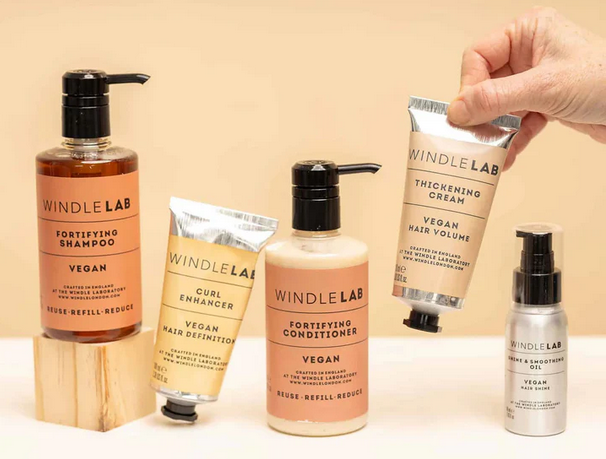
At the centre of this approach is the introduction of a hair thickening cream, which works differently from traditional volumising products. Rather than sitting heavily on the surface, it integrates into the hair, subtly increasing the perception of density while maintaining flexibility.
How Texture Influences Volume Retention
Texture plays a significant role in how fine hair behaves.
Smoother hair tends to lie flatter because there is less friction between strands. This allows them to slide against each other easily, reducing the overall structure of the style. Adding a slight amount of texture can help create separation, which in turn improves volume retention.
Hair thickening cream contributes to this by enhancing the natural texture of the hair without making it rough or dry. It creates a balance—enough grip to hold shape, but not enough to disrupt movement.
This balance is what allows fine hair to maintain volume for longer periods.
London’s Climate and Its Subtle Effects
The environment in London adds a layer of complexity to fine hair care.
Humidity can cause the hair to soften and lose structure, while dry indoor air can make it feel static and lifeless. These constant changes require the hair to adapt quickly, which is something fine hair struggles to do.
Products that provide consistent support help stabilise the hair across these changing conditions. They allow the hair to respond without losing its overall shape, making it easier to maintain a consistent look throughout the day.
The Importance of Even Application
Because fine hair is more sensitive to weight, how products are applied becomes just as important as what is used.
Uneven application can create areas of heaviness and areas of lightness, leading to inconsistent results. Some sections may hold volume, while others collapse.
Hair thickening cream allows for more even distribution. Its texture spreads easily, ensuring that each strand receives the same level of support. This consistency is essential for achieving a balanced, cohesive look.
A More Refined Approach to Styling
There is a growing shift toward more refined, minimal approaches to styling fine hair.
Rather than layering multiple products, the focus is on using fewer, more effective ones. This reduces the risk of buildup and allows the hair to behave more naturally.
In conversations with a best hairstylist in London, this approach is becoming increasingly common. Stylists are emphasising the importance of understanding the hair’s behaviour and choosing products that enhance rather than overwhelm it.
This shift reflects a broader understanding of haircare—one that prioritises quality and precision over quantity.
Long-Term Benefits of Supporting Fine Hair
When fine hair is consistently supported rather than overloaded, the results become more stable over time.
The hair begins to hold its shape more easily. Volume lasts longer. Styling becomes simpler and more predictable.
These changes may not be dramatic, but they are meaningful. They reduce the need for constant adjustment and allow the hair to feel more reliable.
From Flat to Naturally Full
The transformation of fine hair does not come from dramatic changes. It comes from subtle improvements in how the hair behaves.
By focusing on support, texture, and balance, fine hair can achieve a level of volume that feels natural rather than forced. It becomes easier to manage, easier to style, and more consistent in its appearance.
Hair thickening cream plays a role in this by enhancing the hair’s natural qualities, allowing it to appear fuller without sacrificing movement.
A Closing Perspective on Effortless Volume for Fine Hair
Fine hair does not need to be overloaded to look full. It needs to be understood.
When the right balance is achieved, it can hold shape, maintain volume, and respond to styling with ease. The key lies in supporting the hair rather than forcing it into form.
A hair thickening cream offers a way to achieve this balance—providing subtle density, improving structure, and allowing the hair to maintain its natural movement.
If you’re ready to rethink how you approach fine hair and move toward a routine that delivers lasting, weightless volume, consider exploring the Windle London collection, where carefully developed formulations are designed to enhance fine hair without compromising its lightness, helping you achieve a naturally fuller, more resilient finish every day.