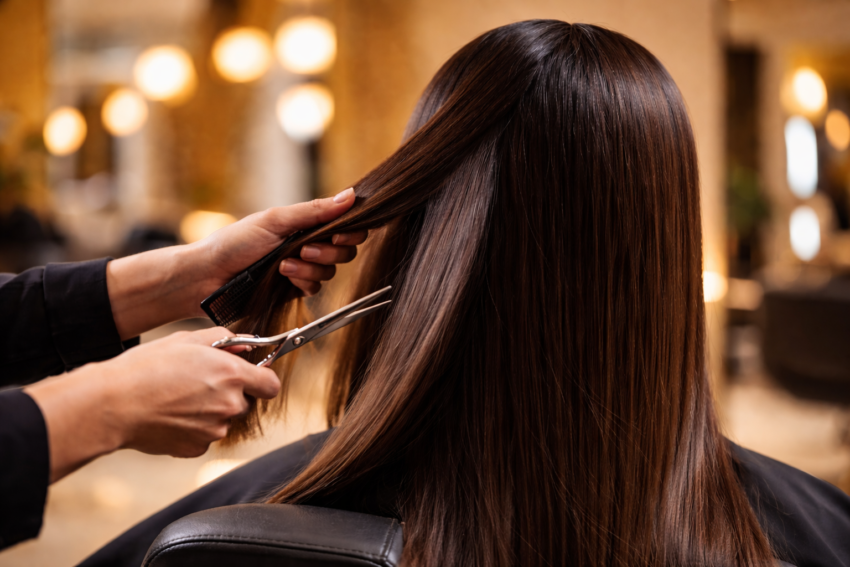
One of the most common yet often misunderstood questions in haircare is how frequently you should visit a salon. Some people go every few weeks without fail, while others wait months between appointments. The truth is, there is no universal schedule that works for everyone. The ideal frequency depends on several factors, including your hair type, style, lifestyle, and overall hair goals.
Understanding how often to visit a hair salon is not just about maintaining your appearance—it is also essential for preserving the health and strength of your hair. Regular salon visits can prevent long-term damage, maintain shape and style, and ensure that your hair remains manageable and vibrant.
Why Regular Salon Visits Matter
Hair continues to grow, change, and respond to external factors such as weather, styling habits, and product use. Over time, even the healthiest hair can develop split ends, dryness, and loss of shape. Without regular maintenance, these issues can worsen and become more difficult to manage.
Visiting a salon at the right intervals helps to address these concerns before they escalate. Trimming split ends, refreshing your style, and maintaining treatments all contribute to healthier hair in the long run. More importantly, consistent visits allow your stylist to monitor the condition of your hair and make adjustments as needed.
Rather than seeing salon visits as occasional indulgences, it is more effective to view them as part of a structured haircare routine.
Hair Type Plays a Major Role
Different hair types require different levels of maintenance. Straight hair, for example, tends to show uneven growth and split ends more quickly, making regular trims more important. On the other hand, curly or textured hair often retains its shape for longer periods, allowing for slightly longer gaps between visits.
Fine hair may require more frequent attention to maintain volume and prevent it from appearing flat or lifeless. Thick or coarse hair, while often more resilient, can become difficult to manage if left unattended for too long.
Understanding your hair type helps you determine a schedule that supports both appearance and health. A professional stylist can also guide you in establishing a routine that works specifically for you.
Short Hairstyles vs Long Hair
The length and style of your hair significantly influence how often you should visit a salon. Short hairstyles, such as pixie cuts or sharp bobs, require more frequent maintenance to retain their shape. Even a small amount of growth can alter the overall look, making regular trims essential.
For short styles, visits every four to six weeks are generally recommended to keep the cut looking precise and polished.
Longer hair, on the other hand, is more forgiving. While it still requires maintenance, the impact of growth is less noticeable. Visits every eight to twelve weeks are often sufficient for maintaining long hair, depending on its condition.
However, this does not mean long hair should be neglected. Regular trims are still necessary to prevent split ends from traveling up the hair shaft and causing more significant damage.
Hair Coloring and Chemical Treatments
If you color your hair or undergo chemical treatments, your salon schedule will need to be more structured. Hair color tends to fade over time, and root growth becomes visible, especially with lighter shades or gray coverage.
For most coloring services, touch-ups are typically needed every four to eight weeks. This ensures that the color remains consistent and the overall look stays fresh.
Chemical treatments such as smoothing or straightening also require maintenance. These treatments gradually wear off, and follow-up appointments help to maintain the desired effect while protecting the hair from excessive damage.
It is important to follow a schedule that balances aesthetics with hair health, avoiding over-processing while keeping your style intact.
Hair Condition and Health
The current condition of your hair is another key factor in determining how often you should visit a salon. Damaged hair may require more frequent treatments and trims to restore strength and prevent further breakage.
If your hair is healthy and well-maintained, you may be able to extend the time between visits slightly. However, even healthy hair benefits from regular check-ins to ensure it remains in good condition.
Environmental factors, such as exposure to sun, pollution, and humidity, can also affect your hair over time. Regular salon visits help to counteract these effects and maintain overall health.
Lifestyle and Styling Habits
Your daily routine and styling habits also play a role in how often you should visit a salon. Frequent use of heat styling tools, such as straighteners and curling irons, can lead to dryness and damage, requiring more regular maintenance.
Similarly, individuals with active lifestyles or those exposed to harsh environmental conditions may need to visit the salon more often to keep their hair in optimal condition.
On the other hand, if you follow a low-maintenance routine and minimize heat styling, you may be able to extend the time between appointments without compromising hair health.
The Importance of Preventive Care
One of the biggest mistakes people make is waiting until their hair shows visible signs of damage before visiting a salon. By that point, the problem may require more intensive treatment to correct.
Preventive care is a more effective approach. Regular trims and treatments help to maintain the integrity of the hair, reducing the likelihood of severe damage. This not only keeps your hair looking better but also makes it easier to manage over time.
Establishing a consistent schedule based on your individual needs allows you to stay ahead of potential issues rather than reacting to them.
Building a Relationship with Your Stylist
Consistency in salon visits also helps in building a strong relationship with your stylist. Over time, they become familiar with your hair type, preferences, and goals, allowing them to provide more personalized and effective recommendations.
This continuity leads to better results, as your stylist can track changes in your hair and adjust their approach accordingly. It also creates a level of trust and comfort, making each visit more productive and enjoyable.
A long-term relationship with a skilled stylist is one of the most valuable aspects of maintaining healthy and well-styled hair.
Finding the Right Balance
Ultimately, the ideal frequency of salon visits is about finding a balance between maintenance and practicality. Visiting too often may not always be necessary, while waiting too long can lead to avoidable issues.
The goal is to create a schedule that supports both the appearance and health of your hair without becoming inconvenient or excessive. This balance will vary from person to person, but it can be achieved with a clear understanding of your hair’s needs and professional guidance.
Final Thoughts
There is no single answer to how often you should visit a hair salon, but there are clear principles that can guide your decision. Factors such as hair type, style, condition, and lifestyle all play a role in determining the right schedule.
By paying attention to these elements and adopting a proactive approach to haircare, you can maintain healthy, well-styled hair with confidence. Regular salon visits are not just about appearance—they are an investment in the long-term health and strength of your hair.
With the right balance and consistency, you can ensure that your hair always looks and feels its best, no matter your style or routine.